
Carboxymethyl Cellulose (CMC), also known as Sodium Carboxymethyl Cellulose, is a versatile water-soluble cellulose ether widely used in various industrial applications. Among different CMC grades, Super High DS CMC is specially developed for applications that require a high degree of substitution, good water solubility, uniform performance, and reliable product quality.
The Degree of Substitution (DS) is one of the most important parameters affecting CMC performance. It indicates the average number of hydroxyl groups on each anhydroglucose unit of cellulose that have been replaced by carboxymethyl groups. A higher DS generally means more carboxymethyl groups are introduced into the cellulose structure, changing its solubility, ionic properties, and compatibility with other materials.
For manufacturers and industrial buyers, selecting the right High DS Sodium CMC is essential for achieving consistent production results. This article explains its main properties, advantages, applications, and important considerations when selecting a reliable supplier.
1. What Is Super High DS CMC?
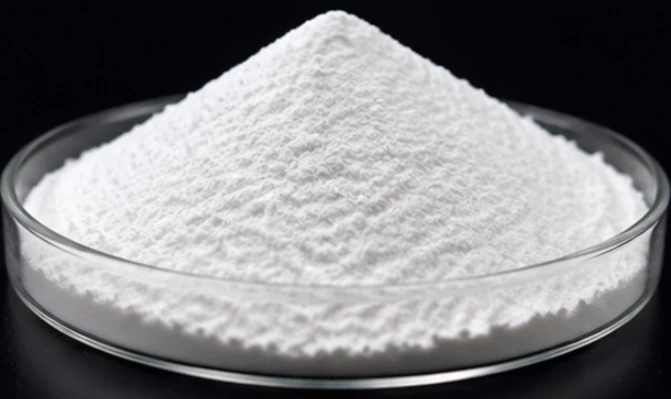
Super High DS CMC is a specialized grade of sodium carboxymethyl cellulose characterized by a relatively high degree of substitution. While conventional industrial CMC grades are designed to meet general thickening, binding, and stabilizing requirements, high DS products are developed for applications where substitution level and uniformity are particularly important.
The DS value typically ranges from 0 to 3. For specialized high-substitution products, a DS above 1.8 may be required, depending on the application and customer specifications.
Compared with standard CMC, High Degree of Substitution CMC offers several potential advantages:
Improved water solubility: A higher substitution level can help improve hydration and dissolution under suitable processing conditions.
Better substitution uniformity: Consistent substitution helps reduce performance variations between production batches.
Enhanced ionic characteristics: More carboxymethyl groups contribute to the anionic properties of CMC.
Good formulation compatibility: High DS grades can be suitable for formulations requiring specific interactions with other ingredients.
Reliable processing performance: Properly controlled DS and viscosity help maintain consistent product behavior.
It is important to understand that DS is not the only factor determining product performance. Viscosity, purity, moisture content, particle size, pH, and dissolution behavior should also be considered.
2. Key Properties of High DS Sodium CMC
When evaluating High DS Sodium CMC, buyers should focus on the following technical properties.
2.1 High Degree of Substitution
DS is a key indicator of the chemical structure of CMC. A higher DS provides more carboxymethyl groups along the cellulose chain, influencing its solubility and application performance.
For textile, detergent, and other specialized industrial applications, high DS grades can offer advantages when consistent substitution and formulation behavior are required.
2.2 Water Solubility and Dissolution
Water solubility is an important consideration in industrial production. Properly manufactured high DS CMC can provide good water compatibility and help reduce undissolved material when used under appropriate conditions.
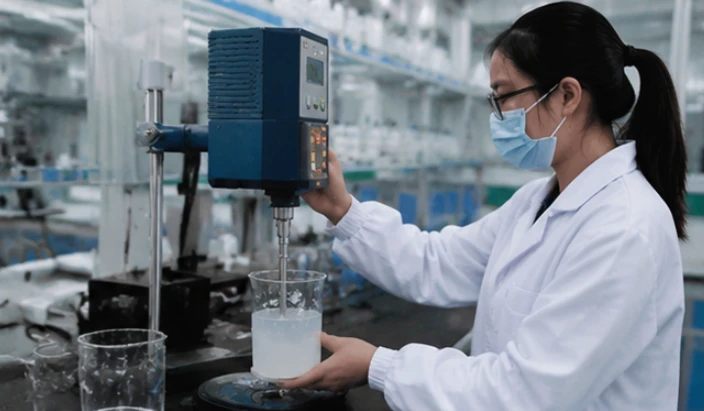
However, dissolution also depends on particle size, mixing speed, water temperature, concentration, and preparation methods. Gradual addition with sufficient agitation is generally recommended to avoid lump formation.
2.3 Viscosity Control
Viscosity determines the thickening and rheological behavior of CMC solutions. Different industrial applications require different viscosity levels.
A high DS product does not automatically mean high viscosity. Molecular weight and manufacturing conditions also influence viscosity. Therefore, buyers should select a grade according to their actual formulation and processing requirements.
2.4 Product Consistency
For industrial manufacturers, batch-to-batch consistency is essential. Stable DS, viscosity, moisture, purity, and particle size help reduce formulation adjustments and improve production reliability.
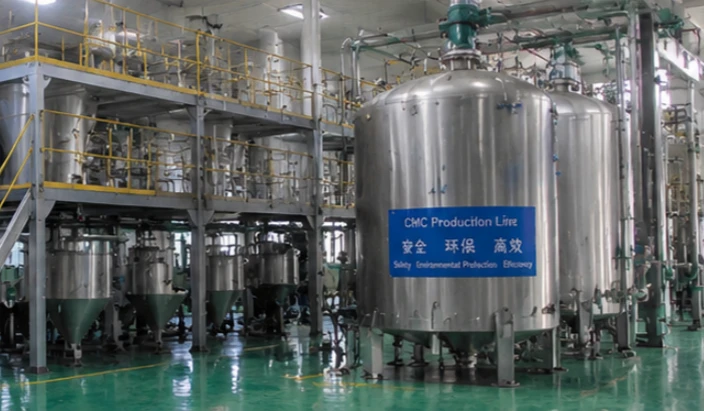
A professional CMC production process should include raw material control, reaction process monitoring, purification, drying, grinding, and finished-product inspection.
3. Main Applications of Super High DS CMC
Super High DS CMC can serve different industrial purposes depending on its viscosity, purity, and other technical specifications.
3.1 Textile Printing and Dyeing
Textile printing is an important application for high DS CMC.
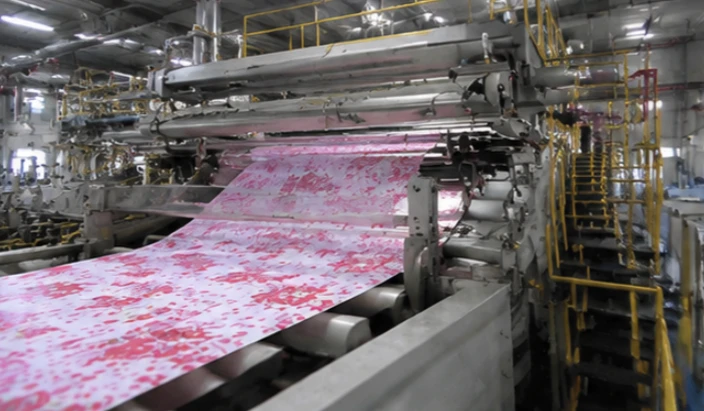
In printing formulations, CMC can function as a thickener and printing paste component, helping control paste consistency and application behavior. Its water-soluble properties make it suitable for formulations that require uniform preparation and reliable processing.
High DS CMC may be considered for textile applications where substitution level, dissolution behavior, and formulation compatibility are important.
Manufacturers should evaluate viscosity, printing performance, washing behavior, and compatibility with dyes and other auxiliaries before selecting a specific grade.
3.2 Detergent Industry
CMC is widely used in detergent formulations because of its functional properties.
In detergent applications, CMC can help prevent dirt from redepositing onto fabric surfaces during washing. It can also contribute to formulation stability and product consistency.
High DS Sodium CMC may be suitable for detergent manufacturers seeking specific solubility and formulation characteristics. The appropriate grade depends on detergent composition, dosage, and production conditions.
3.3 Paper Industry
In papermaking and paper coating, CMC is used as a functional additive.
Depending on the formulation, it can improve surface properties, contribute to coating rheology, and help enhance pigment binding. High DS grades may be considered when specific water compatibility and application characteristics are required.
The final selection should be based on coating formulation, viscosity requirements, and production equipment.
3.4 Coatings and Other Industrial Applications
CMC is also used in selected coating and industrial formulations as a thickener, stabilizer, or binder.
For these applications, Industrial Grade High DS CMC can be evaluated according to the required viscosity, compatibility, dissolution characteristics, and final product performance.
Not every industrial application requires super high DS. Selecting a suitable grade based on actual performance requirements is more important than choosing the highest DS value.
4. How to Choose a Reliable High DS CMC Manufacturer
Choosing the right supplier is not simply about comparing prices. Product consistency, technical support, production capability, and quality control all influence long-term cooperation.
When evaluating a High DS CMC Manufacturer, consider the following factors:
1. Manufacturing experience
Choose a manufacturer with established experience in cellulose ether production and a clear understanding of different CMC applications.
2. DS and viscosity control
The supplier should be able to provide clear technical specifications and test results for DS, viscosity, purity, moisture, and other relevant parameters.
3. Quality inspection
A reliable factory should have laboratory testing equipment and a quality control system covering raw materials, production, and finished products.
4. Customized specifications
Different industries have different requirements. A professional manufacturer should be able to discuss suitable DS levels, viscosity ranges, particle sizes, and packaging according to customer needs.
5. Technical documents and samples
Before placing a bulk order, buyers should request a Technical Data Sheet (TDS), Certificate of Analysis (COA), Safety Data Sheet (SDS), and samples for application testing.
5. Why Work with an Experienced CMC Factory?
As a professional carboxymethyl cellulose manufacturer, we focus on the production and quality control of CMC for different industrial applications.
Our product range covers food-grade and industrial-grade CMC, including specialized grades for textile printing, detergents, paper, coatings, and other industries.
We understand that different customers have different production processes and performance expectations. Therefore, product selection should be based on actual application requirements rather than a single technical parameter.
Our manufacturing approach emphasizes:
Controlled production processes and stable product quality.
Laboratory testing of viscosity, DS, purity, and other key parameters.
Different viscosity grades for various industrial applications.
Technical documentation and product samples for customer evaluation.
Flexible product recommendations based on application requirements.
We aim to provide more than just CMC products. Our goal is to help industrial customers identify suitable materials, improve formulation consistency, and establish reliable long-term supply relationships.
6. Frequently Asked Questions About Super High DS CMC
Q1: What does DS mean in CMC?
DS stands for Degree of Substitution. It indicates the average number of hydroxyl groups replaced by carboxymethyl groups on each cellulose repeating unit.
Q2: What is considered a high DS value for CMC?
The definition depends on the product grade and industry requirements. Specialized high DS CMC products may have DS values above 1.8, but buyers should confirm the actual specification with the manufacturer.
Q3: Does higher DS mean higher viscosity?
No. DS and viscosity are different technical parameters. Viscosity is also affected by molecular weight, concentration, and testing conditions.
Q4: Which industries use High DS Sodium CMC?
Common application areas include textile printing, detergents, papermaking, coatings, and other industrial formulations, depending on the product specifications.
Q5: How can I select the right Super High DS CMC grade?
Provide your application, required DS, viscosity, purity, dosage, and processing conditions to the manufacturer. Testing samples before bulk purchasing is recommended.
Conclusion
Super High DS CMC is a specialized sodium carboxymethyl cellulose product designed for industrial applications where a high degree of substitution and consistent product characteristics are important.
From textile printing and detergents to papermaking and selected coating formulations, the right CMC grade can contribute to more reliable processing and formulation performance.
When choosing a supplier, buyers should look beyond DS alone and evaluate viscosity, purity, solubility, quality control, and manufacturing experience.
Working with an experienced High DS CMC Manufacturer helps ensure that the selected product meets specific application requirements and supports stable long-term production.


